
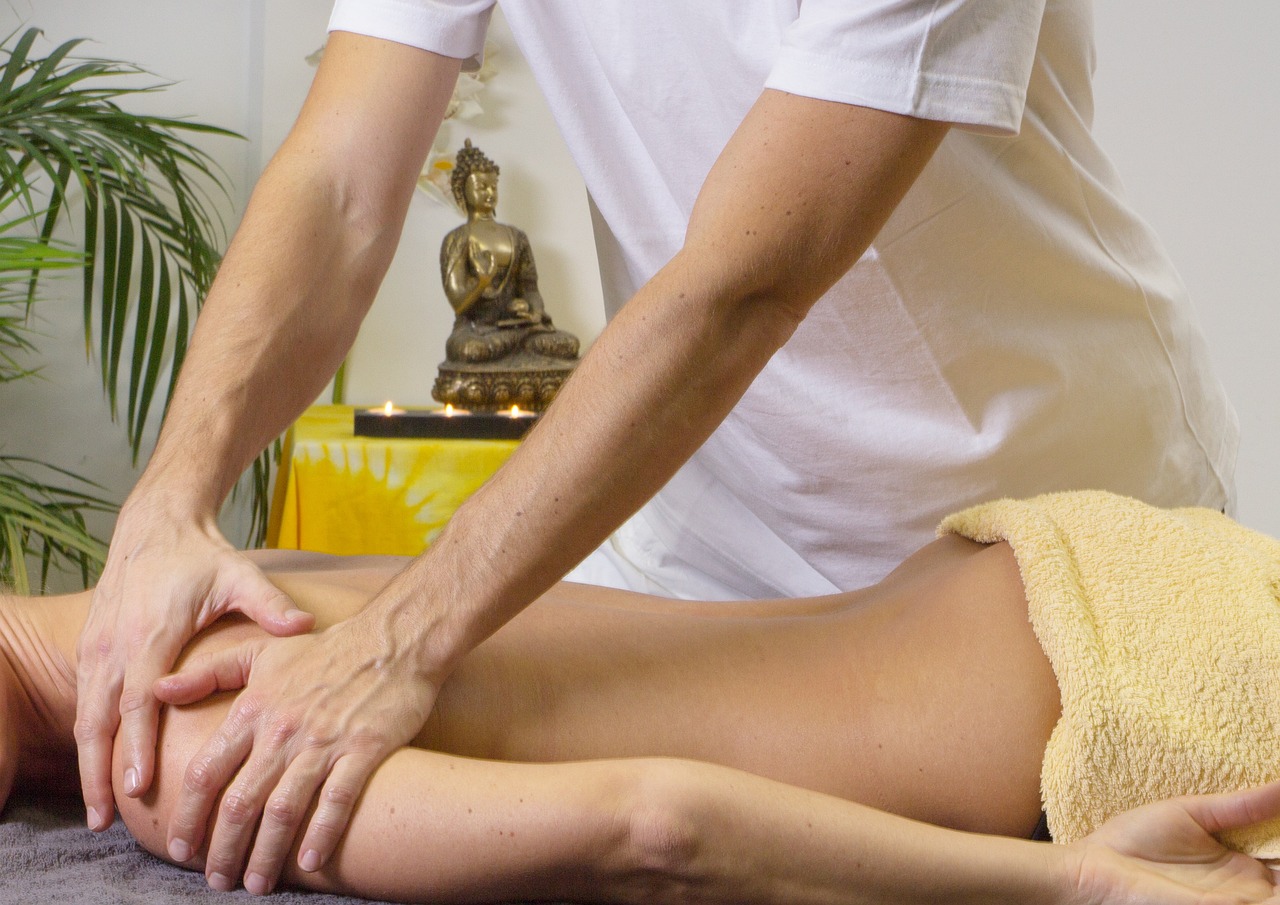
Massage for Pain Relief: A Targeted Approach That Works With Your Body
Pain has a way of quietly taking over.
It might begin as a tight shoulder, a stiff lower back, or a persistent ache that you try to ignore. But over time, it can affect how you move, how you sleep, and how you feel day to day.
Perhaps you’re recovering from an injury, living with chronic pain, dealing with muscle tension or ongoing discomfort, or simply trying to understand what approaches like deep tissue massage or myofascial release actually do. These are all very common questions – and understanding the answers can be the first step towards finding the right kind of support for your body.
While many people think of massage as a luxury or something purely relaxing, targeted massage therapy is a highly effective, hands-on approach to managing pain, supporting recovery, and restoring balance in the body.
At its core, this type of treatment is not about indulgence – it’s about working with the body in a focused, intentional way to ease discomfort and support natural healing.
Why Pain Happens (And Why It Sticks Around)
Pain is rarely just one simple issue.
It can be caused by:
- Muscle tension from stress or posture
- Physical injury or overuse
- Restricted fascia (connective tissue)
- Poor circulation or fluid retention
- Compensating movement patterns
Over time, the body adapts – often in ways that protect the painful area but create new imbalances elsewhere.
That’s why pain can feel persistent or even spread.
Targeted massage works by addressing the root of these issues, rather than simply masking the symptoms.
A Personalised, Targeted Approach
Before any treatment begins, time is taken to understand what’s really going on.
This may include:
- Discussing your symptoms and history
- Identifying areas of tension or restriction
- Understanding how your body is compensating
From there, an appropriate treatment approach is chosen, using one or a combination of techniques depending on your needs.
The focus is always the same:
to reduce discomfort, improve movement, and support your body’s natural processes.
Deep Tissue Massage: Releasing Deep-Seated Tension
Deep tissue massage is often the go-to for people experiencing chronic tension, tight muscles, or ongoing discomfort.
Unlike a gentle relaxation massage, this technique works into the deeper layers of muscle and connective tissue.
It can help to:
- Break down stubborn knots and adhesions
- Improve mobility and flexibility
- Reduce muscle tightness and stiffness
- Support recovery from physical strain or injury
While it can feel intense at times, it is always applied in a controlled and responsive way, working with your body rather than against it.
The result is often a noticeable sense of release – not just physically, but in how freely you can move afterwards.
Myofascial Release: Working With the Body’s Connective Tissue
Fascia is a continuous web of connective tissue that surrounds and supports muscles throughout the body.
When it becomes tight or restricted, it can:
- Limit movement
- Create pulling sensations
- Contribute to ongoing pain patterns
Myofascial release is a slower, more subtle technique that focuses on gently easing these restrictions.
Rather than applying force, it works through sustained pressure and stretch to allow the tissue to soften and release naturally.
This approach can be particularly effective for:
- Long-standing or unexplained pain
- Postural issues
- Areas that feel tight but difficult to “pinpoint”
Many people find this deeply therapeutic – not just physically, but in the sense of space and ease it creates within the body.
Lymphatic Drainage: Supporting the Body’s Natural Flow
The lymphatic system plays a vital role in:
- Removing waste and toxins
- Supporting the immune system
- Managing fluid balance
When this system becomes sluggish, it can lead to:
- Swelling or puffiness
- Heaviness in the body
- Slower recovery after injury
Manual lymphatic drainage is a very gentle, rhythmic technique designed to encourage the natural movement of lymph fluid.
It can:
- Reduce swelling and fluid retention
- Support healing and recovery
- Promote a sense of lightness and wellbeing
This is not a deep or forceful treatment – instead, it works in harmony with the body’s natural rhythms.
What Conditions Can Targeted Massage Help With?
Targeted massage therapy can support a wide range of concerns, including:
- Back pain and stiffness
- Neck and shoulder tension
- Sports injuries and muscle strain
- Postural discomfort (desk-related pain)
- Headaches linked to muscle tension
- General aches and restricted movement
It can also play an important role in ongoing pain management, helping to prevent issues from building up over time.
What to Expect From a Treatment
Each session is tailored to you.
Treatments may:
- Focus on a specific problem area
- Combine different techniques where appropriate
- Be adapted based on how your body responds
Some people feel immediate relief, while others notice gradual improvement over a few sessions.
After treatment, you may feel:
- Looser and more mobile
- Less restricted
- Deeply relaxed
- Occasionally a little tender (a normal response to deeper work)
Your body continues to process the effects after the session, which is why results often build over time.
The Difference Between Relaxation and Targeted Treatment
There is a place for both – but they serve different purposes.
Relaxation massage is designed to:
- Calm the nervous system
- Reduce stress
- Promote overall wellbeing
Targeted massage, on the other hand, is:
- More focused
- More responsive
- Designed to address specific physical issues
If you are dealing with pain, tension, or injury, a targeted approach is often the most effective path forward.
Supporting Your Body Beyond the Treatment Room
Massage is powerful – but it works best as part of a bigger picture.
You may also benefit from:
- Improved posture awareness
- Gentle movement or stretching
- Staying hydrated after treatment
- Allowing time for recovery
Small changes can make a big difference in how long the results last.
A Natural Way to Feel Better in Your Body
Pain relief doesn’t always have to come from medication or invasive treatments.
Sometimes, the most effective approach is simply to work with the body – listening, responding, and supporting it in the way it needs.
Targeted massage offers exactly that.
A practical, hands-on way to:
- Ease discomfort
- Restore movement
- Help you feel more like yourself again
Frequently Asked Questions
Does massage really help with pain relief?
Yes. Targeted massage can reduce muscle tension, improve circulation, and release restrictions in soft tissue, all of which help to relieve pain and improve movement.
What type of massage is best for muscle pain?
Deep tissue massage is often most effective for muscle pain, while myofascial release can help with longer-term restrictions and lymphatic drainage supports recovery and fluid movement.
Is deep tissue massage painful?
It can feel intense in certain areas, but it should always be manageable and adapted to your comfort level. Communication during treatment is key.
How many sessions will I need?
This depends on the nature of the issue. Some people feel relief after one session, while others benefit from a short course of treatments.
Can massage help chronic pain?
Yes. Regular targeted massage can help manage chronic pain by reducing tension, improving mobility, and preventing further build-up of discomfort.
What should I do after a massage?
Drink plenty of water, allow your body time to rest, and avoid strenuous activity immediately after deeper treatments.
If this article resonated with you, or if you’ve experienced the benefits of massage for pain relief, you’re very welcome to share your thoughts below.
Sometimes simply putting your experience into words – or hearing from others – can be part of the process too.



Leave a Reply