
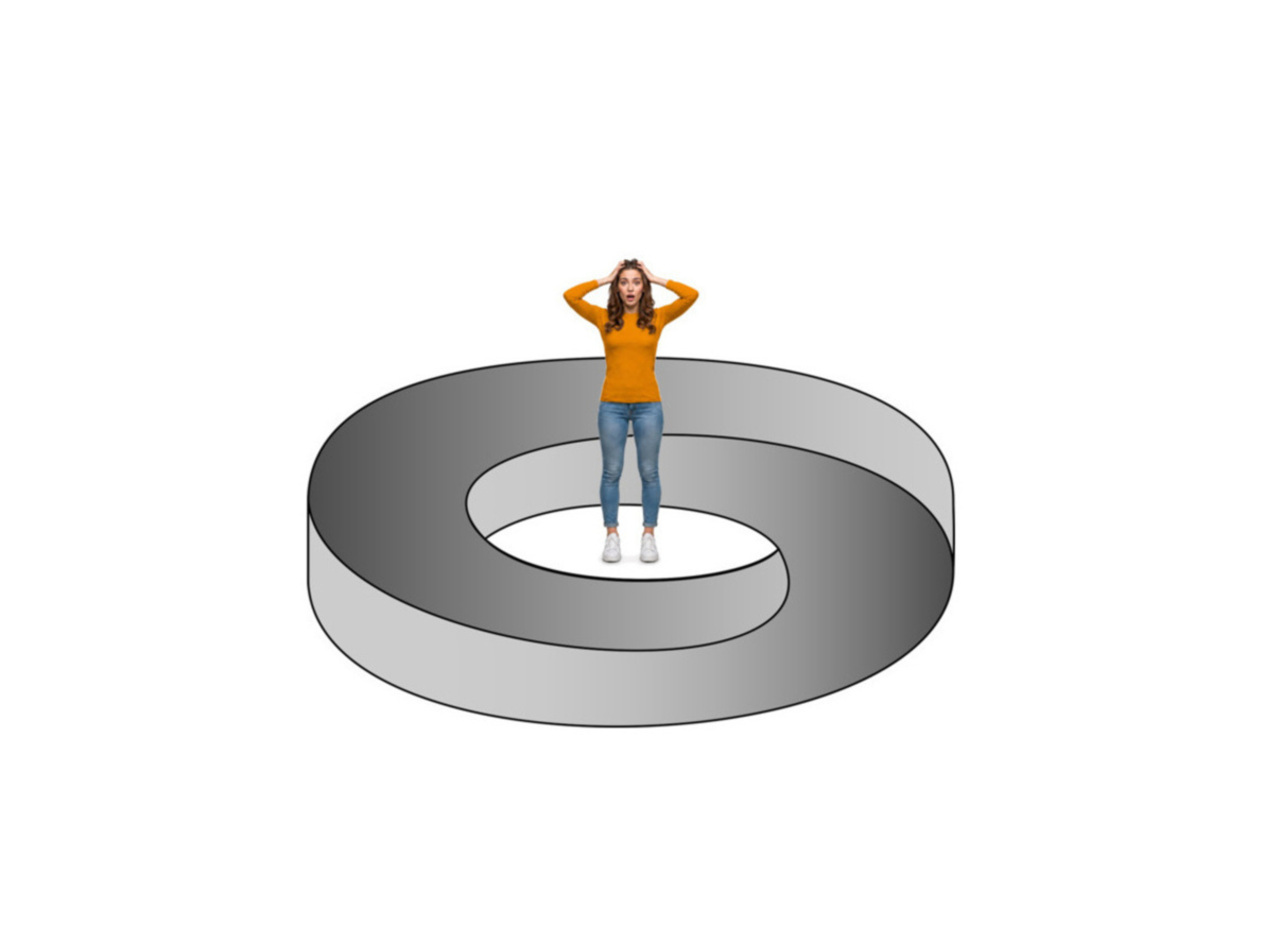
After months – sometimes years – of frightening symptoms, countless appointments, scans, tests and unanswered questions, of feeling lost, helpless, confused and desperately trying to make sense of it all – you or someone you know or love, finally get the diagnosis you’ve been waiting for…
…Functional Neurological Disorder (FND) – and then you’re told there’s no medical treatment. Just learn to live with it! What?
At last, there’s a name for what is happening. At last, someone believes you, but then relief is quickly followed by…
Disappointment.
More confusion.
Frustration.
And sometimes, a profound sense of being left to cope alone. You may find yourself asking questions nobody seems able to answer.
“What treatment is available?”
“What can I do to help?”
“Will they ever get their life back?”
“Where do I go from here?”
For many people living with FND, the answers can feel surprisingly unclear. And that’s exactly why I’m writing this article. Not simply because I’m a therapist. But because FND became deeply personal to me.
A close family member was diagnosed with the condition several years ago. Like many families, we experienced the relief that finally came with a diagnosis…and then we experienced the silence that followed.
The practical support we expected simply wasn’t there.
The guidance wasn’t clear.
The appointments became pointless.
Meanwhile, life carried on. Except life didn’t feel normal anymore. Symptoms could change from one day to the next. Sometimes from one hour to the next. A limb that worked perfectly in the morning might not cooperate later that day.
Plans became uncertain. Confidence was shaken. The future suddenly felt much smaller than it had before. One of the biggest lessons I learned through our family’s experience is that FND affects far more than the body.
Watching someone you love navigate that reality changes you. It certainly changed me.
Because while many professionals were explaining what FND was, very few seemed able to explain what people could actually do next.
That question sent me on a journey that continues to this day.
A journey that drew upon almost three decades of experience working with stress, emotional wellbeing, behaviour patterns, relaxation, nervous system regulation and holistic therapies.
And what I discovered gave me something many people affected by FND desperately need.
Not false promises.
Not miracle cures.
Not guarantees.
Something far more valuable.
Hope.
Because while every person’s experience of FND is different, my experience has taught me that “there’s nothing more we can do” is not always the end of the conversation.
In many cases, it may be the beginning of a different one.
What Is Functional Neurological Disorder (FND)?
Functional Neurological Disorder (FND) is a condition that affects how the brain and nervous system function.
People living with FND can experience a wide range of symptoms including:
- Weakness in arms or legs
- Difficulties with movement or walking
- Tremors and involuntary movements
- Non-epileptic seizures
- Speech and communication difficulties
- Fatigue and exhaustion
- Dizziness and balance issues
- Brain fog and concentration difficulties
- Changes in sensation
One of the most challenging aspects of FND is that symptoms can fluctuate dramatically. A symptom that is present one day may improve the next. This unpredictability can make everyday life feel exhausting and uncertain.
The Pain People Don’t Always Talk About
Another part of FND that is often not spoken about enough is pain.
For some people, pain may be mild and manageable. For others, it can be persistent, exhausting and life-limiting. It may come and go, move around the body, flare without warning or become chronic over time. Some people describe aching, burning, stabbing, heaviness, muscle pain, joint pain, headaches or a general sense that the body feels inflamed, overloaded or under attack.
This can be incredibly difficult to explain to other people, especially when tests do not show a clear structural cause.
But pain does not have to show up neatly on a scan to be real.
Pain is real.
Fatigue is real.
The impact on daily life is real.
Many people living with FND also experience symptoms that overlap with other complex conditions such as ME/CFS, chronic fatigue, fibromyalgia, Long Covid and other conditions involving the nervous system, immune system, stress response and energy regulation.
This does not mean all of these conditions are the same. They are not. But it does mean that people can sometimes experience similar patterns – fatigue, brain fog, pain, sensory overwhelm, sleep disruption, weakness, dizziness, crashes after activity and symptoms that fluctuate from day to day.
And when symptoms fluctuate, it can make life feel even more confusing.
You may be able to do something one day and struggle to do the same thing the next. You may look well on the outside while feeling as though your body is fighting a private battle on the inside. You may find yourself constantly trying to explain why you cannot simply “push through.”
This is one of the reasons I believe support needs to look at the whole person.
Not just the diagnosis.
Not just the symptoms.
But the nervous system, stress levels, emotional load, confidence, energy, sleep, pain, daily life and the person behind it all.
Why Is FND Often Linked To Stress And Overwhelm?
This is where the conversation becomes particularly interesting.
Many people diagnosed with FND begin looking for answers about the relationship between stress and FND. They want to understand why symptoms may fluctuate, why periods of overwhelm sometimes seem to make things worse and, most importantly, whether there are practical ways to support recovery and wellbeing.
For many years, healthcare professionals focused heavily on identifying structural problems within the brain and nervous system.
With FND, scans and tests often appear normal despite very real symptoms.
That can leave people feeling confused, misunderstood and sometimes even dismissed.
Today, increasing attention is being given to the relationship between the nervous system, stress, emotional overwhelm and past experiences.
This does not mean symptoms are imagined.
It does not mean people are “making it up.”
The symptoms are real.
The impact on daily life is real.
The distress is real.
However, many practitioners now recognise that prolonged stress, trauma, anxiety, overwhelm and nervous system dysregulation may play an important role in how symptoms develop, persist or fluctuate.
For some people, this understanding can open the door to new possibilities and supportive approaches.
The Question That Changed Everything For Me
As both a therapist and a family member supporting someone with FND, I kept returning to one question.
It was a question I rarely saw being asked. Most information focused on understanding the diagnosis itself. Far less attention seemed to be given to what people could actually do after an FND diagnosis to support themselves day-to-day.
If stress and nervous system overload may contribute to symptoms, what happens when we actively begin supporting the nervous system?
Not for a week.
Not as a quick fix.
But consistently and compassionately over time.
This led us to explore a range of complementary approaches designed to encourage relaxation, emotional regulation, confidence and resilience.
Some things helped more than others.
Some approaches surprised us.
Even simple interventions that encouraged deep relaxation appeared to make a noticeable difference.
Over time, improvements began to emerge.
Not overnight.
Not magically.
But gradually.
And importantly, hope began to return.
Why A Holistic Approach May Help
Every person living with FND is unique.
No two experiences are exactly the same.
This is one reason why personalised support can be so valuable.
Throughout my work, I have found that many people benefit from approaches that help reduce stress, calm the nervous system and improve emotional wellbeing.
Depending on the individual, this may include:
- Hypnotherapy
- Relaxation techniques
- Stress management strategies
- Mindfulness approaches
- Emotional support
- Lifestyle adjustments
- Nervous system regulation techniques
These approaches are not intended to replace medical advice or treatment.
Instead, they may provide additional support that helps people feel more empowered, more resilient and more able to navigate the challenges they face.
For someone living with FND, support may need to include more than symptom management alone. It may also involve learning how to calm an overactive nervous system, manage pain and fatigue, rebuild confidence, pace daily activity and reduce the emotional strain that often comes with living in an unpredictable body.
What Clients Say
“I WOULD DEFINITELY RECOMMEND KAREN!!!! I can’t thank you enough!!! My bespoke therapy that you suggested has changed my life!“
While every person’s experience is different, feedback like this reminds me why I continue doing this work.
Sometimes people don’t need another explanation.
They need someone who listens, understands and helps them explore possibilities.
A Different Conversation Starts Here
If you’ve been diagnosed with FND, or you’re supporting someone who has, you may already know how lonely and confusing the journey can sometimes feel.
You may also be tired of hearing what isn’t possible.
Maybe the most powerful words are:
“Let’s explore what might help.”
If you’d like a friendly, no-obligation conversation about your situation and whether I may be able to help, let’s have a chat.
Frequently Asked Questions About FND
How Do I Know If I’m Affected By Functional Neurological Disorder?
Before receiving a diagnosis, many people spend months or even years living with what are often described as unexplained neurological symptoms. They know something is wrong, but repeated tests may fail to provide clear answers.
Symptoms can vary widely from person to person and may include weakness in the arms or legs, tremors, difficulties with movement, speech problems, seizures, fatigue, dizziness, sensory changes or problems with concentration and memory. One of the most confusing aspects of FND is that symptoms can fluctuate, sometimes changing from day to day or even hour to hour.
If you are experiencing symptoms that concern you, it is important to seek advice from a qualified healthcare professional.
Why Do All My Tests Come Back Normal When My Symptoms Are Real?
This is one of the most frustrating experiences reported by many people living with FND.
Symptoms such as weakness, tremors, speech difficulties, seizures and mobility problems can be very real, even when scans and other investigations appear normal. This is often why people spend months searching for answers before eventually receiving an FND diagnosis.
Many people describe feeling relieved when a diagnosis is finally made because it confirms that their symptoms are genuine and recognised. While standard tests may not always identify the cause of the symptoms, that does not mean the symptoms themselves are imagined or unimportant.
Can Functional Neurological Disorder Improve?
Many people experience improvements in symptoms, quality of life and day-to-day functioning.
The extent of improvement varies from person to person and may depend on a range of factors including symptom type, duration, individual circumstances and access to appropriate support.
While there is no single approach that works for everyone, many people find that a combination of medical guidance, lifestyle adjustments, emotional support and strategies that help regulate the nervous system can make a meaningful difference over time.
Is FND Caused By Stress?
FND is a complex condition and there is rarely a single cause.
For some people, symptoms may appear following periods of significant stress, emotional overwhelm, illness, injury or traumatic experiences. For others, no obvious trigger is identified.
Researchers and healthcare professionals continue to improve their understanding of the condition, but many recognise that the relationship between the brain, nervous system and emotional wellbeing may play an important role for some individuals.
Is FND A Mental Health Condition?
No. Functional Neurological Disorder is considered a neurological condition.
However, this is where confusion sometimes arises. While FND is not a mental health condition, factors such as stress, anxiety, trauma and emotional wellbeing may influence symptoms in some people.
This does not mean the symptoms are “all in the mind.” The symptoms are real and can have a significant impact on daily life, work, relationships and independence.
Why Do FND Symptoms Change From Day To Day?
One of the recognised characteristics of FND is that symptoms can fluctuate.
Many people report good days, difficult days and periods where symptoms seem to change unexpectedly. Factors such as fatigue, stress, emotional wellbeing, physical health and environmental demands may all influence how symptoms are experienced.
This unpredictability can be one of the most challenging aspects of living with FND and is often a major source of frustration for both individuals and their families.
Where Can I Find Support For FND?
Support may be available through healthcare providers, specialist neurological services, physiotherapists, occupational therapists, counsellors, support groups and complementary wellbeing practitioners.
Many people also find it helpful to connect with others who understand the challenges of living with FND. In addition to professional support, approaches that focus on stress reduction, relaxation, emotional wellbeing and nervous system regulation may help some people feel more confident and better equipped to manage the challenges they face.
The most important thing to remember is that you do not have to navigate the journey alone.



Leave a Reply